You Don't Need React
You know how many clicks it takes in Jira to understand where a project stands? Board - one page. Timeline - another. Reports - a third. Dashboard - a fourth. Forecasting plugin - a fifth. By the fifth click you’ve forgotten why you opened the first one.
One Screen
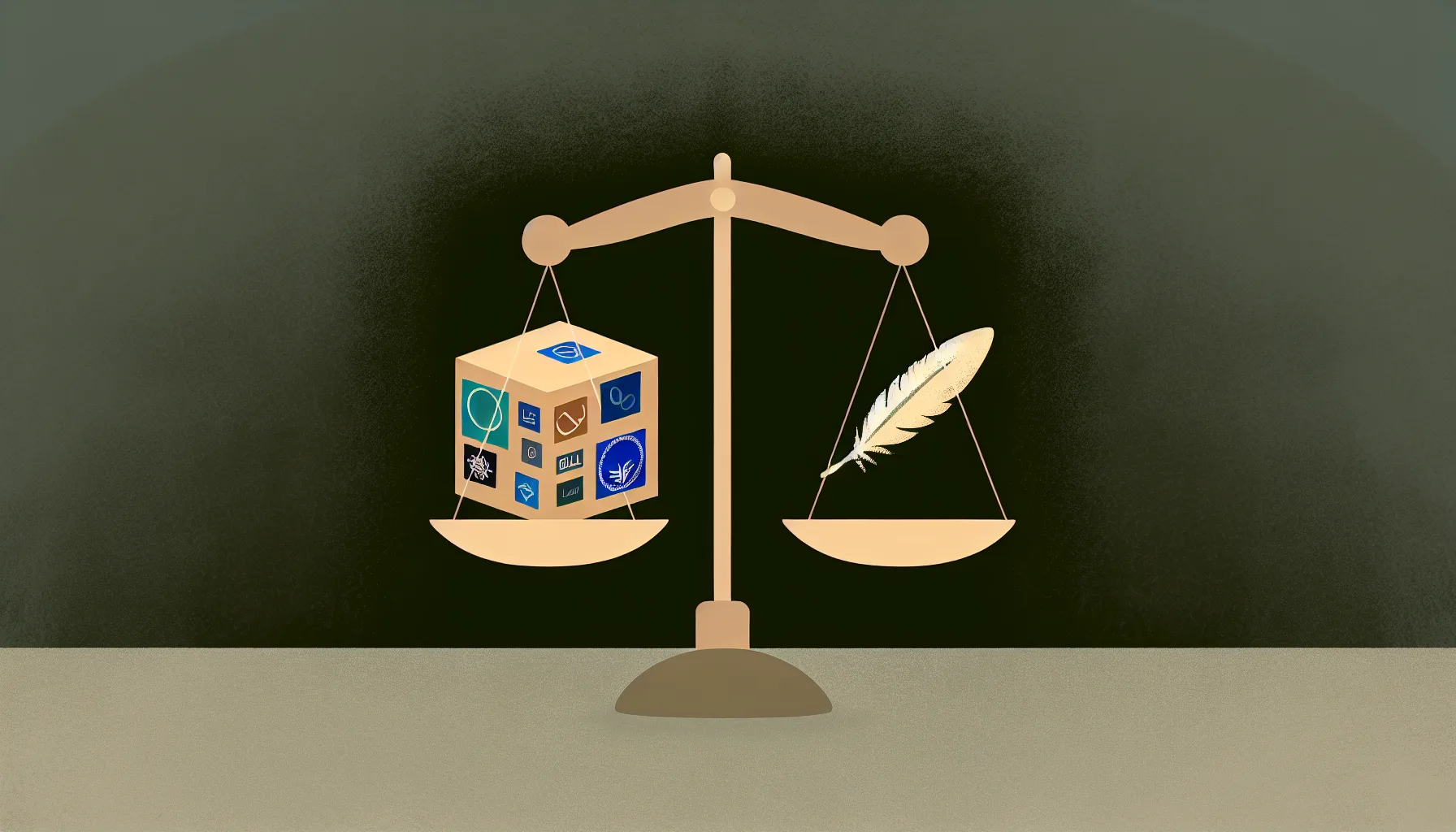
In Planq, it’s one screen. A timeline with date forecasts. A kanban with drag-and-drop between statuses. Analytics per epic. An ADKAR readiness map for the team. All side by side. No tabs, no navigation, no reloads.
This isn’t minimalism for its own sake. Deadlines, statuses, velocity, and people’s readiness don’t live on separate pages. They exist simultaneously. And the tool should reflect that.
15 Kilobytes
To build this, I didn’t need React. Or Vue. Or Angular. Alpine.js - fifteen kilobytes. Reactivity, data binding, event handling. Enough for a fully interactive dashboard. A radar chart for ADKAR in pure SVG. Kanban on the browser’s native drag-and-drop. Dark theme via CSS variables.
The entire frontend weighs less than the node_modules of a typical React project before the first component. Deploys in seconds. Loads instantly. Maintained by one person.
One Stack, Two Products
My consulting landing page imarch.dev is built the exact same way. Astro, Tailwind, zero frameworks. Three languages, dark theme, SEO, Cloudflare Pages. A content site and an interactive dashboard on the same stack. Both without React. Both work.
I’m not against big frameworks. I’m against the reflex of reaching for them on every project. A dashboard is not a social network. It doesn’t need a virtual DOM and three layers of state management abstraction.
The fastest interface is one with nothing to slow it down. The most reliable framework is one you never have to update.
One screen. The full picture. Zero clicks.